Online Business Idea: Test Demand Before You Build
Test an online business idea with customer conversations, a small offer, and clear signals of demand before investing in a full website or store.
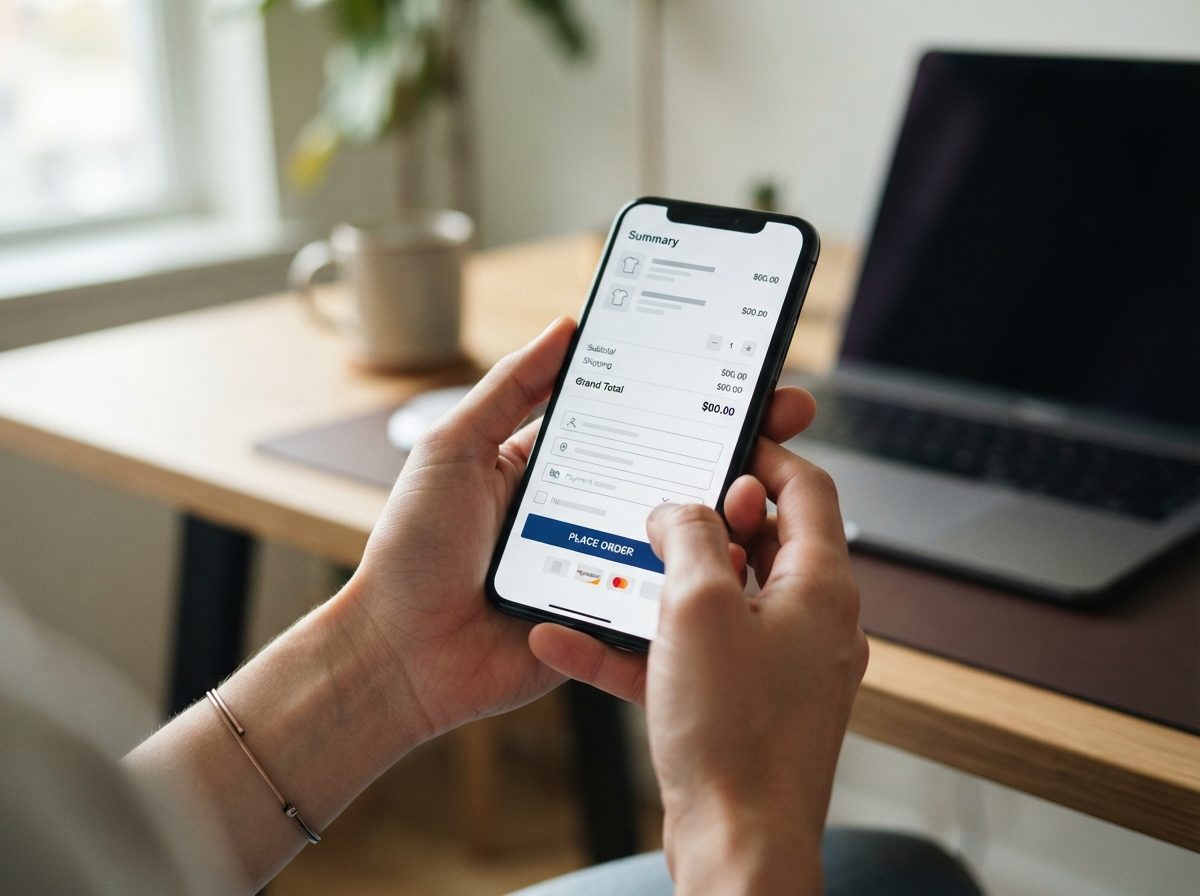
An online business idea is worth testing before you spend heavily on a website, stock, or advertising. Use a simple one-week validation plan: define one customer and problem, talk to potential buyers, present a clear offer, and look for real signs of willingness to pay.
- Start with a specific customer and a problem they already want solved.
- Ask about past behavior, not just whether people like your idea.
- Test a small offer before building a full store or app.
- Track enquiries, pre-orders, or paid trials—not likes alone.
- Check Philippine registration and tax requirements as you prepare to operate.
Why validate an online business idea first?
A polished website can make an idea look ready, but it cannot prove customers want it. Validation helps you learn whether a real group of people has a problem, understands your offer, and will take a meaningful next step.
This matters whether you plan to sell products, provide a service, publish paid resources, or build a subscription. A small test can reveal that customers need a different product, a clearer price, or a simpler way to buy.
Validation is not a promise of future success. It is a practical way to reduce avoidable spending and make decisions using evidence. You do not need complex research software; a notebook, a simple landing page, and honest conversations can be enough to begin.
Choose one customer and one problem
“Everyone who shops online” is too broad to guide your first test. Choose a group you can reach and describe the situation they face. For example, instead of “people who need design,” consider “new food sellers who need a clear menu page customers can open on a phone.”
Then write the problem in plain language. A useful problem is specific, happens often enough to matter, and has some cost: wasted time, missed enquiries, uncertainty, or lost sales. Avoid starting with a feature such as “an app with booking.” Describe the customer’s difficulty first.
Use this short statement to focus your idea: “I help [customer] do [needed outcome] when [problem or situation].” It is a working hypothesis, not advertising copy. If you cannot fill it in clearly, narrow the customer or problem before making a product.
Talk to potential customers without leading them
Speak with people who fit your chosen group. Ask about what they do now and what happened the last time they faced the problem. Past behavior is more useful than a polite guess about what someone might buy later.
Try questions such as:
- “Tell me about the last time you needed to solve this.”
- “What did you try, and what was difficult?”
- “How do you handle it today?”
- “Have you paid for a solution before? What did you choose?”
- “What would make you decide not to buy?”
Listen more than you explain. Do not ask, “Would you buy my amazing service?” That question invites a friendly answer, not a reliable commitment. If the person describes no recent problem, no current workaround, and no effort to fix it, treat that as useful evidence.
Write down repeated phrases and objections. A few conversations are not a scientific survey, but they can help you spot themes and improve your offer. Keep personal details private, and ask permission before using someone’s words in public.
Make a small offer people can act on
Turn what you learned into a clear, limited offer. Explain who it is for, what outcome it aims to provide, what the buyer receives, and what happens next. Keep the first version manageable. A service could begin with a paid consultation or a fixed-scope pilot; a product seller could test a small batch or a clearly described pre-order.
Choose a test that matches what you intend to sell. If the eventual business depends on people paying, an email signup alone is a weak signal. A direct enquiry, deposit, paid trial, or completed purchase provides stronger evidence—provided you can fulfill the promise and clearly explain any conditions.
For example, a Cebu-based web professional considering a booking website for small studios might first offer a limited setup service to a few studios. The test is whether owners book a conversation, accept the proposed scope, and agree to pay—not whether they say the concept sounds interesting.
Do not claim that a product is available when it is not. If you collect pre-orders or deposits, state delivery expectations, cancellation terms, and refund arrangements clearly. Follow applicable consumer and payment rules, and avoid taking money until you can meet your obligations.
Build the simplest page or sales flow
Your first online test does not need a large ecommerce build. Use a simple page or a clear social profile to explain the offer and give one next step: enquire, book, join a waitlist, or buy. Make the action easy to find on a phone.
A useful page answers four questions quickly: who is this for, what does it help with, what is included, and how can someone take the next step? Add contact details and a short explanation of what happens after submission. If you sell a product, include accurate photos, key details, delivery information, and clear terms.
Use a form that asks only for information you need to respond. Test it yourself on mobile, check that confirmation messages work, and make sure enquiries reach an inbox you monitor. A slow or confusing page can hide genuine interest, so keep the first version simple and reliable.
When the offer is validated and you are ready to build beyond a test, consider what your site needs to do. Herby Design’s website design and development service can support a purpose-built site, while e-commerce development is relevant when customers need to browse and purchase products online.
Measure evidence and decide what to change
Before sharing your offer, decide what result would justify continuing. For example, you might track how many qualified people visit, how many ask a relevant question, how many book a call, and how many pay. Choose measures that reflect the way your business will earn revenue.
Do not treat views or social likes as proof of demand by themselves. They may show that a message reached people, but they do not confirm that the right people understood the offer or would pay for it. Track the full path from a visit to an enquiry or purchase.
Use a simple table with columns for date, channel, qualified visits, enquiries, sales, common questions, and next action. If few people visit, improve distribution. If people visit but do not enquire, clarify the offer or page. If they enquire but do not buy, examine fit, trust, price, timing, and the buying process.
Change one important thing at a time where practical. If you rewrite the offer, change the price, and switch channels together, it becomes hard to tell what helped. Keep notes, set a review date, and be willing to revise the customer group or stop if the evidence stays weak.
Once sales begin, useful measurement continues. The guide to online store analytics can help you think about tracking activity beyond the first test.
Prepare for Philippine business compliance
Testing an idea does not remove the need to understand your responsibilities when you begin operating. Requirements depend on your business structure, location, and activity. For a sole proprietorship, the Department of Trade and Industry (DTI) explains business-name registration, but a business-name registration is not itself a license to operate.
The DTI’s business registration and permits guide outlines registration information. The DTI ecommerce FAQs also discuss registration and obligations for online sellers. Review current official guidance, including Bureau of Internal Revenue (BIR) requirements, and check with your local government unit about permits that apply to your location.
Do not assume that selling through a marketplace or social media removes tax or record-keeping duties. Keep orderly records of sales, expenses, and customer transactions. Since rules can change and circumstances differ, confirm the current requirements with the relevant agencies or a qualified adviser before you start trading.
When your test shows customers need a more complete website, plan it around the validated offer rather than guesswork. This practical guide on planning a website that can grow can help you consider future needs without building every feature at once.
Frequently asked questions
How do I validate an online business idea with no budget?
Start by speaking with potential customers and sharing a clear offer through channels you already use. Track genuine replies and commitments. Do not spend on ads or a complex site until you know what you are testing.
How many people should I talk to?
There is no universal number that proves demand. Speak with enough people in your chosen customer group to notice recurring needs and objections, then test whether people take a meaningful action.
Are likes and survey answers proof that an idea will sell?
No. They can help you learn what people notice, but they are weaker than behavior such as booking, requesting a quote, or paying for a clearly explained offer.
Should I register before testing my business idea?
Requirements depend on what you are doing and when you begin operating. Check current DTI, BIR, and local government guidance before taking orders or conducting sales, and seek qualified advice if unsure.
When should I build a full online store?
Build one when you understand your customer, product, fulfillment process, and buying needs. A small test can show which pages and features matter before you invest in a larger store.
Conclusion
Validate your online business idea with real conversations, a focused offer, and actions that show intent to buy. Learn from the results, meet your obligations, and build only what customers need. If you are ready to plan a website around a tested idea, contact Herby Design to discuss your next step.
Found this helpful? Share it
Online Business Idea: Test Demand Before You Build — test an online business idea with customer conversations, a small offer, and clear signals of demand before investing in…#SmallBusiness #Philippines #OnlineBusiness #IdeaValidation #HerbyDesign
Caption and hashtags copied: paste them into your post.
Need help with your website?
I build fast, SEO-ready websites and web applications.