
Lead Generation Ideas to Attract Better-Fit Clients
Build a practical lead generation plan with a focused offer, a clear landing page, timely follow-up, and simple measures for finding better-fit clients.

Lead generation ideas work best when they match a real customer need and make the next step clear. For a small business, start with one focused offer, one useful landing page, and a reliable follow-up process. Then track which channel brings suitable enquiries—not just more clicks.
Key takeaways
- Define the type of customer you want before choosing a channel.
- Give people a useful reason to contact you or share their details.
- Make your landing page simple, specific, and easy to use on a phone.
- Follow up promptly and record every enquiry in one place.
- Measure qualified leads and sales, then improve one step at a time.
Start with lead generation ideas built around your customer
Lead generation is the process of attracting potential customers and helping them take a step toward buying. That step may be a call, a form submission, a booking, or a request for a quote. The goal is not to collect as many names as possible. It is to start conversations with people your business can help.
Before trying new channels, describe your best-fit customer in plain language. Note what they need, what problem prompts them to seek help, and what might stop them from choosing a provider. A Cebu service business, for example, might focus on local owners who need a clearer website to receive enquiries.
Use that description to shape a practical offer. A generic “Contact us” message gives visitors little context. A more specific offer—such as a short website review or a project planning call—sets expectations and makes the next action easier.
Choose one audience and one goal
Pick one audience for your first campaign. Then choose a single outcome, such as quote requests from local businesses. Avoid trying to attract every kind of buyer with one page and one message.
Write down what counts as a qualified lead. It could be someone in your service area, with a relevant need and a realistic timeline. This simple definition helps you judge whether a campaign is producing useful enquiries.
Choose a lead generation channel you can maintain
A channel only helps when you can use it consistently. Search content, local listings, referrals, social posts, email, and paid advertising can all support lead generation. You do not need to launch them all at once.
Choose based on how customers look for your service. People searching for a specific solution may find a useful service page through search. A business with a strong local network may get better early results from referrals and partnerships. A small budget can test paid ads, but set a clear limit and check lead quality before spending more.
Build around your existing strengths
If customers often ask the same questions, answer them in a helpful article or service page. If past clients refer new work, make referrals easy by sharing a short description of who you help. If people discover you through local search, keep your business information accurate and make it clear how to enquire.
For a more focused plan, see Lead Generation: Get More Clients for Your Small Business. It covers the broader basics; this guide focuses on choosing one campaign and improving its conversion path.
Search visibility can support lead generation, but a high ranking alone does not guarantee enquiries. Make the page answer a real customer question and point to a relevant next step. Herby Design also offers search engine optimization for businesses that need help improving their visibility.
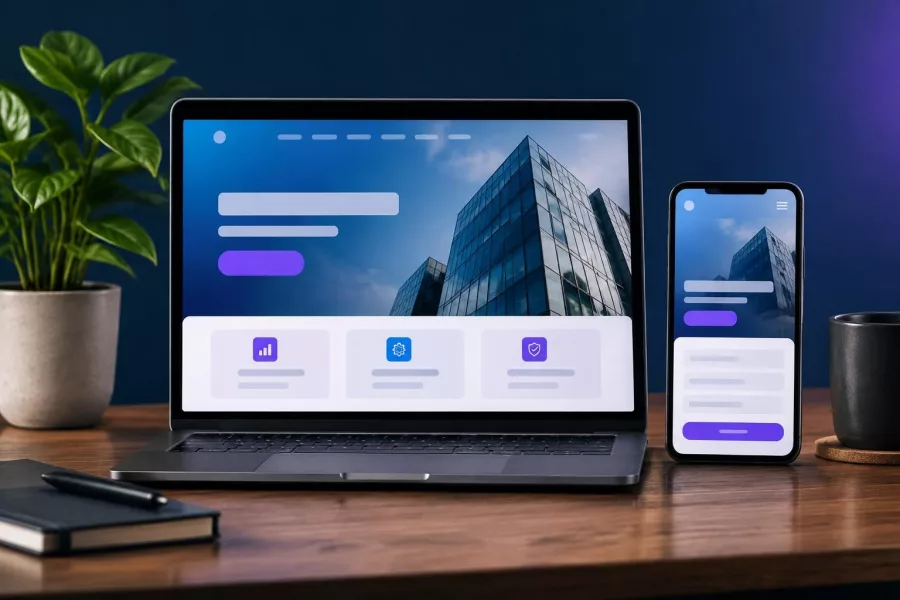
Create a focused offer and landing page
A landing page is a page built around one offer and one action. It should quickly tell visitors who the service is for, what problem it addresses, and what to do next. Keep the message consistent with the advert, post, or search result that brought them there.
Include a clear headline, a short explanation of the benefit, a few details about your process, and a visible contact option. Use a form only when it helps the next step. Ask for essential details first, such as a name, contact method, and a brief description of the need.
Explain what happens after a person submits the form. For instance: “We’ll review your request and reply by email.” Set a response expectation you can meet. Avoid claims you cannot verify, and do not promise results that depend on factors outside your control.
Offer value without making the process complicated
Useful offers can include a short consultation, a checklist, a sample plan, or a tailored estimate. Choose something you can deliver well and that helps a potential customer make a decision. A downloadable guide can attract early-stage readers; a quote request may suit someone ready to hire.
Make sure the offer connects naturally to your paid service. A free resource that attracts people with no need for your work may grow a list without creating real opportunities. For web projects, a brief discovery call or project scope discussion may be more relevant than a broad giveaway.
Your website should support the whole journey, from the first visit to the enquiry. If the page is outdated or difficult to navigate, consider improving your website design and development experience.
Make it easy to trust and contact your business
People are more likely to enquire when they understand who they are dealing with. Add clear service details, a working phone number or email, and a short explanation of how your process works. If you have permission to share customer feedback or project examples, use them honestly and in context.
Check your page on a phone as well as a computer. Buttons should be easy to tap, text should be readable, and forms should not ask for needless information. Test every link and submit a test enquiry so you know the process works from the visitor’s side.
Trust also depends on what happens to personal information. Collect only details needed to respond, explain why you need them, and handle them responsibly. If you use analytics or marketing tools, review their settings and your privacy obligations.
Use one clear call to action
A call to action tells a visitor what to do. Use a direct label such as “Request a quote” or “Book a planning call,” rather than a vague phrase. Keep the main action consistent across the page so visitors do not have to choose among several competing options.
For technical guidance on accessible, usable forms, refer to the W3C Forms Tutorial. For search-friendly page basics, Google’s SEO Starter Guide explains how to make content clearer for people and search systems.
Follow up and qualify each enquiry
A lead is not a client yet. A timely, relevant reply helps establish trust and lets both sides decide whether there is a fit. Set aside time each working day to check new enquiries, even if your first response only confirms receipt and gives a realistic reply time.
Use a simple tracking sheet or customer management tool. Record the person’s name, contact details, enquiry date, source, need, next action, and outcome. Keep access limited to people who need it, and do not store sensitive details without a clear reason.
Ask a few useful questions during follow-up: What are you trying to achieve? What is the main challenge? When do you hope to start? These questions help you decide whether to schedule a call, send a relevant explanation, or politely refer the person elsewhere.
Use a helpful follow-up message
A good reply acknowledges the specific request and offers one next step. Avoid sending the same generic pitch to every enquiry. If a person is not ready, ask whether they would like a resource or a later check-in, and respect their answer.
Thanks for reaching out about your website project. Could you share your main goal and preferred timeline? Once I have those details, I can suggest the best next step.
If you are receiving enquiries but struggling to turn them into work, read Lead Follow-Up: Turn Enquiries Into More Clients for practical advice on continuing the conversation.
Measure what brings qualified leads
Track a small set of measures that connect activity to business outcomes. Start with enquiries by source, qualified enquiries, booked calls, proposals sent, and clients won. The numbers help reveal where people drop out, but they need context: a channel with fewer leads may still be valuable if those leads are a better fit.
Review results on a regular schedule. If a page gets visits but few enquiries, check whether the offer is relevant, the call to action is clear, and the form works. If enquiries arrive but are a poor fit, refine the message or audience rather than simply increasing traffic.
Change one important element at a time when possible. For example, test a more specific headline while keeping the offer and audience the same. Note what changed and when; otherwise, it becomes difficult to know why results moved.
For basic site measurement, Google provides documentation on Google Analytics events. Use analytics to answer practical questions, not as a substitute for asking leads how they found you.
Frequently asked questions
What is the easiest way to generate leads for a small business?
Start with one audience, a specific offer, and a clear contact path. Use a channel your customers already use, then follow up consistently and track the results.
Do I need a website to generate leads?
Not always, but a website gives you a place to explain your service and collect enquiries. A focused page can also support referrals, social posts, and search traffic.
How many lead generation channels should I use?
Begin with one or two channels you can maintain. Learn which brings qualified enquiries before adding more activity or spending.
What should I include in a lead form?
Ask only for details needed to respond, such as a name, contact method, and short description of the request. You can ask more during a conversation.
Turn a simple plan into steady enquiries
Effective lead generation is a repeatable process: understand your customer, make a useful offer, create a clear path to contact you, and follow up. Start small, learn from real enquiries, and improve the part that creates the most friction. If your website needs a stronger foundation for that process, contact Herby Design to discuss your project.
Found this helpful? Share it
Lead Generation Ideas to Attract Better-Fit Clients — build a practical lead generation plan with a focused offer, a clear landing page, timely follow-up, and simple measures…#SmallBusiness #LeadGeneration #DigitalMarketing #LandingPages #HerbyDesign
Caption and hashtags copied: paste them into your post.
Need help with your website?
I build fast, SEO-ready websites and web applications.