
SEO Specialist Philippines: A Practical Business Guide
A practical guide to SEO in the Philippines: reach the right customers, improve key pages, strengthen local visibility, and measure real enquiries.

An SEO specialist in the Philippines can help a business turn search visibility into useful enquiries by improving its website, content, and local presence. The strongest approach is not a promise of instant rankings; it is a clear plan tied to your customers, services, and measurable business goals.
- Start with the searches and customers that matter to your business.
- Fix technical and page-level issues that get in the way of useful content.
- Measure qualified enquiries, not just rankings or visits.
- Set realistic expectations: SEO takes time and no one can guarantee a specific Google position.
What an SEO specialist in the Philippines should focus on
SEO, or search engine optimization, helps search engines understand your pages and helps people find relevant answers. For a Philippine business, that work may involve nationwide searches, local customers, or both. The right focus depends on where you serve customers and what they need before contacting or buying from you.
A useful plan connects search activity to real actions: calls, form submissions, store visits, bookings, or purchases. A rise in traffic alone does not show whether the right people are finding you. Ask how proposed work supports a business outcome.
Google’s SEO Starter Guide emphasizes making content useful, clear, and easy to navigate. That is a sound basis for any specialist’s recommendations. Avoid tactics that promise shortcuts or treat search engines as the only audience.
Choose the right customers and search intent
Before changing pages or publishing articles, define the people you want to reach. List your main services, service areas, and the questions customers ask before they decide. A Cebu-based service business, for example, may need to reach nearby customers, while an online shop may serve buyers across the country.
Then group searches by intent. Someone searching for a service may be ready to compare providers. Someone asking how a process works may still be learning. Each group needs a page that answers its question and offers a suitable next step.
- Service searches: Explain what you offer, who it helps, and how to enquire.
- Location searches: Make service areas and contact details clear, where they are relevant.
- Informational searches: Publish practical guidance that answers a real customer question.
Do not create near-identical pages for every city just to repeat place names. Each page should provide genuine, distinct value for the people it serves. For more background on nearby search visibility, see Local SEO Philippines: Help Nearby Customers Find You.
Improve the pages customers use to decide
Many SEO improvements begin on pages a business already has. A specialist should check whether each important page has a clear purpose, descriptive title, helpful headings, and content that matches the visitor’s question. The page should also make it easy to take the next step, whether that means calling, booking, or requesting a quote.
Review the basics before commissioning a large batch of new content:
- List your most important services, products, and contact pages.
- Check that each page explains one clear topic and speaks to the right audience.
- Make contact options easy to find on mobile and desktop.
- Use internal links to connect related pages with descriptive link text.
- Update outdated details, broken links, and content that no longer helps.
Useful content should be written for people, not padded with repeated keywords. Your experience, process, and accurate local details can help make a page more useful than a generic article. If you need support with site structure or implementation, explore website design and development alongside SEO work.
Make technical SEO practical
Technical SEO means making it easier for search engines to access and understand a website. It also includes fixing issues that make a site frustrating for visitors. A specialist should explain technical findings in plain language and show which items matter most.
Common checks include whether key pages can be crawled and indexed, whether the mobile layout works, whether important pages load reliably, and whether links lead to the correct destinations. The right checks depend on how the website is built. Technical work should be tested carefully, especially before changes to a live site.
Ask for a short list of problems, their likely impact, and the proposed fix. A long report is not automatically useful if it does not help you choose what to do. If speed is a concern, Herby Design also offers website performance optimization.
Strengthen local visibility and trust
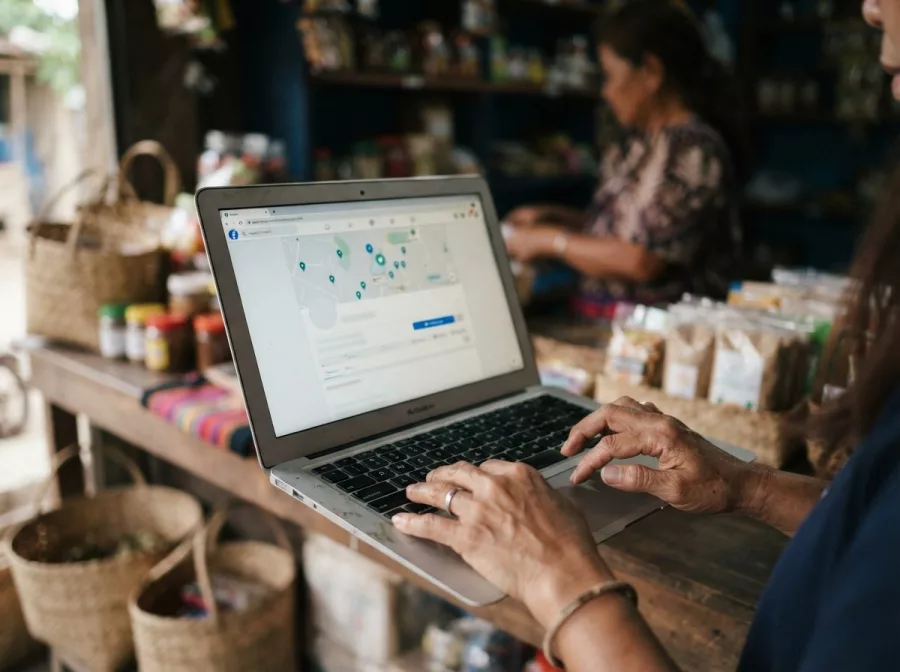
For businesses that serve people in a specific place, an accurate Google Business Profile can help customers understand what you do and how to reach you. Keep the business name, category, hours, address or service area, and contact details accurate. Add suitable photos and respond thoughtfully to customer reviews.
Google says local results are mainly based on relevance, distance, and prominence. A business cannot pay Google to improve its local ranking. That makes honest, complete business information and a strong customer experience more useful than promises of a guaranteed map position. See Google’s guidance on improving local ranking for its recommendations.
Local visibility also depends on your website. Make it clear which services you provide and where you genuinely provide them. Keep business details consistent, and avoid creating misleading addresses or location pages.
Measure progress without chasing vanity metrics
Agree on a baseline before work begins. Track relevant search impressions and clicks, but connect them to outcomes such as qualified enquiries, calls, bookings, or sales where possible. A keyword moving up a few places may be interesting; it matters more when it reaches the right audience and contributes to business goals.
Use a regular report to answer three questions: What changed? What did visitors do? What should happen next? Search Console can show how people find your pages in Google Search. Analytics or enquiry records can help connect visits with actions. The method should suit your setup and respect applicable privacy requirements.
For a practical approach to connecting search activity with enquiries, read SEO Reporting: Connect Search Visits to Real Leads. Keep the measures focused; a clear, consistent report is more useful than a dashboard full of numbers nobody acts on.
Set a realistic working plan
Good SEO is ongoing work, not a one-time trick. In the early stage, clarify goals, review the website, and agree on priorities. Next, make improvements to important pages and resolve technical obstacles. After that, review results and refine the plan based on what customers actually do.
Set expectations about access, approval, and responsibilities. Your specialist may need website access, accurate business information, and feedback from people who know your services. Agree who will make changes, how they will be reviewed, and when progress will be discussed.
Ask for honest explanations of uncertainty. Search results can change, competitors can improve, and not every page will perform as expected. A responsible specialist can describe the work, its purpose, and the signals they will monitor, but cannot promise a fixed ranking or a specific amount of revenue.
Frequently asked questions
How long does SEO take to show results?
There is no fixed timeline. It depends on your website, competition, changes made, and the searches you target. A specialist should explain what will be measured and when the plan will be reviewed.
Can an SEO specialist guarantee a first-place ranking?
No. Search results are controlled by search engines, and rankings can vary. Be cautious of guarantees; ask instead about the work, reporting, and business outcomes being pursued.
Should a Philippine business target local or national searches?
Choose based on where you can serve customers. A local provider may focus on its real service area, while an online business may target relevant searches nationwide.
What should I share with an SEO specialist?
Share your services, customer types, service areas, business priorities, and any questions customers often ask. Access to website or analytics tools may help, but agree on permissions and account ownership.
Build a search plan around real customers
The best SEO work helps people find accurate answers and makes it easier for them to choose your business. Start with clear goals, useful pages, sound technical foundations, and reporting tied to enquiries. If you want to discuss an SEO-focused website plan, contact Herby Design.
Found this helpful? Share it
Want more right-fit customers? This practical SEO guide for Philippine businesses covers local visibility, key pages, and measuring real enquiries.#SEO #LocalSEO #DigitalMarketing #SmallBusiness #PhilippinesBusiness
Caption and hashtags copied: paste them into your post.
Need help with your website?
I build fast, SEO-ready websites and web applications.