Website Marketing Philippines: A Practical Action Plan
A practical guide to website marketing in the Philippines: focus your offer, choose useful channels, build trust, and measure enquiries that matter.
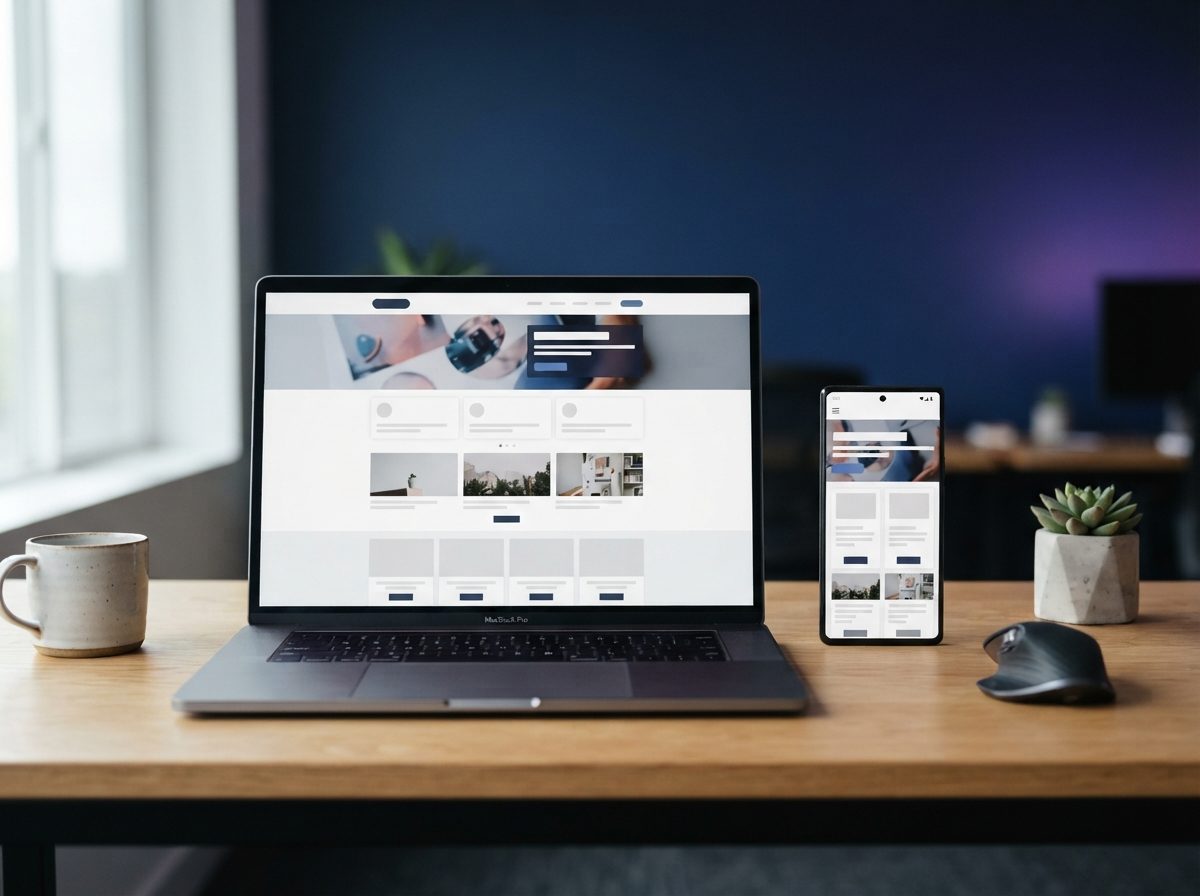
A useful website marketing Philippines strategy for a small business is to connect one clear customer need to one useful page, then promote that page through the channels your customers already use. Measure enquiries, calls, and sales—not just visits—so you can improve what brings real business.
Key takeaways
- Choose one audience and one service or product to promote first.
- Build a focused landing page with a clear next step and contact options.
- Use search, social media, email, or messaging based on customer habits and your capacity.
- Track meaningful actions and review results before increasing effort or ad spend.
Start with a focused website marketing Philippines goal
“Get more traffic” sounds like a goal, but it does not tell you what to do next. A more useful aim is to attract the right people and help them take a specific action, such as requesting a quote, booking a consultation, or placing an order.
Start with one customer group and one offer. For example, a Cebu repair service could focus on homeowners looking for appliance repair, while a local food shop could promote its catering service to offices. A narrow starting point makes your page and marketing message easier to understand.
Define the customer and action
Write down who you want to reach, what problem they need solved, and what you want them to do. Keep the action simple. If your business relies on enquiries, ask visitors to send a message or complete a short request form. If you sell online, guide them to a product or checkout page.
Make the goal observable. “Get more qualified quote requests” is more useful than “grow online.” You can later check which channels and pages helped people make that request.
Choose a realistic first campaign
Do not try to promote every product, service, and social account at once. Pick one offer, prepare the page, then share it through one or two channels you can maintain. This keeps the work manageable and makes results easier to interpret.
A campaign can be as simple as a helpful service page, a few social posts that answer common questions, and a follow-up message for people who ask for details. Consistent, useful communication is better than a burst of activity followed by silence.
Make a landing page that answers customer questions
A landing page is a page designed around one offer or action. It should help a visitor decide whether your business can help, what happens next, and how to contact you. It does not need complex design, but it does need clear information.
Include a specific heading, a short description of the offer, key details, and a visible next step. Add relevant proof, such as genuine customer feedback or examples of completed work, only when you have permission and can present it accurately.
Cover the essentials
- Offer: Explain what you provide in plain language.
- Fit: Say who the product or service is for and where you serve, if location matters.
- Details: Answer likely questions about process, delivery, service area, or what is included.
- Action: Use a clear button or link, such as “Request a quote” or “View products.”
- Contact: Provide a dependable way to reach you, such as a form, phone number, or messaging option.
Keep forms short. Ask only for information you need to respond. A long form can discourage a visitor who is ready to enquire, while unclear labels can make it harder to finish.
Check the mobile experience
Open the page on a phone and test it as a customer would. Check whether the main message appears quickly, buttons are easy to tap, and contact details work. Try the form, confirm its success message, and make sure any confirmation reaches the right inbox.
Also review page speed and image sizes. Large files and unnecessary design effects can make a page feel slow, especially on a weak connection. For practical improvements, see website performance optimization.
Choose channels that fit your customers and capacity
There is no single best channel for every Philippine business. A customer may find a service through Google, a social post, a recommendation, or a marketplace. Select channels by considering where people look for your offer and how quickly you can respond.
Use search for active demand
Search is useful when people already know what they need and are looking for a provider. Create clear pages for your main services or product categories. Use the terms customers naturally use, include useful location details when relevant, and answer common questions directly.
Do not create near-identical pages just to mention different towns. Each page should offer accurate, distinct information that helps someone in that location. If search visibility is a priority, explore search engine optimization services and build pages around genuine customer needs.
Use social channels to build familiarity
Social media can help customers see your work, understand your process, and remember your business. Share useful demonstrations, answers to common questions, product details, or service updates. Link posts to the page that gives the next useful step rather than always sending people to your homepage.
Choose a manageable posting rhythm. If you cannot publish often, focus on a small number of strong posts that stay useful. Reply to comments and messages within a timeframe you can reliably meet, and state your hours if responses are not immediate.
Use email and messaging with care
Email can help you stay in touch with people who have chosen to hear from your business. Send relevant updates, helpful guidance, or offers that match their interests. Give subscribers a clear way to unsubscribe, and avoid adding people to a list without permission.
Messaging can be convenient for quick questions, but it should not replace clear website information. Set expectations for response times, use a professional tone, and avoid asking customers to share sensitive information through an unsuitable channel.
Build trust before asking for an enquiry
People need to know what you offer and whether your business is a credible fit. A complete website helps them make that choice. Provide an accurate business description, working contact details, clear service or product information, and any relevant policies.
Trust also comes from consistency. Use the same business name and contact details across your website and public profiles. Keep opening hours, service areas, and product availability current. If something changes, update the places where customers are likely to see the old information.
Use proof honestly
Testimonials, project examples, certifications, and reviews can help visitors assess your business. Use only claims you can support. Ask permission before publishing a customer's name, image, or detailed feedback, and do not present an example as typical if it is not.
For a new business without many reviews, focus on clear explanations instead. Describe your process, what is included, how customers can ask questions, and what happens after they make contact. Useful detail is more persuasive than inflated promises.
Measure enquiries and improve the next step
Track actions that matter to your business: completed quote forms, calls, bookings, purchases, or another clear outcome. Website visits can help explain reach, but they do not show by themselves whether marketing is producing useful results.
Google Analytics can record important website actions as events and identify key events for reporting. Google’s documentation explains how events and key events work. If you run ads, Google also documents website conversion measurement; check your setup and privacy obligations before collecting or sharing data.
Official guides: Google Analytics: conversions and Google tag platform: measure conversions and key events.
Set up a simple review routine
- Choose the action to measure, such as a successful form submission or completed purchase.
- Test the action yourself and confirm that it appears correctly in your analytics tool.
- Record where the visitor came from when that information is available and appropriate to collect.
- Review performance on a regular schedule, comparing similar periods and checking for tracking changes.
- Improve one thing at a time, such as the page headline, form clarity, or follow-up process.
Keep the data useful and limited to your needs. Explain data collection in your privacy notice, restrict access to accounts, and follow applicable privacy requirements. Analytics tools can have reporting limits, so do not treat every number as a perfect record of customer behaviour.
When you want a broader measurement approach, read SEO reporting for leads. If you need a practical route from traffic to enquiries, the lead generation ideas guide offers related approaches.
Frequently asked questions
What is website marketing?
Website marketing uses your website and connected channels to attract suitable visitors and help them take useful actions, such as contacting your business or buying a product.
Which marketing channel should a small business use first?
Start where your customers look for your offer and where you can respond consistently. Search may suit active demand; social media may help explain your work and build familiarity.
Do I need a separate landing page?
Not always. A focused service or product page can work well if it explains the offer and gives visitors a clear next step. Create a separate landing page when a campaign needs a distinct message or action.
What should I measure on my business website?
Measure actions tied to business goals, such as enquiries, calls, bookings, or purchases. Use visits and engagement as supporting context, not as a substitute for outcomes.
How often should I update my website marketing?
Review key pages and results on a regular schedule, and update information whenever your offer, hours, prices, or service details change. Make one measured improvement at a time.
Conclusion
Effective website marketing starts with a clear audience, a useful page, and a next step customers can take with confidence. Choose channels you can sustain, measure meaningful actions, and refine the experience based on what you learn. If you want help building or improving your site, contact Herby Design to discuss your goals.
Found this helpful? Share it
Website Marketing Philippines: A Practical Action Plan — a practical guide to website marketing in the Philippines: focus your offer, choose useful channels, build trust, and me…#SmallBusiness #Philippines #LeadGeneration #DigitalMarketing #HerbyDesign
Caption and hashtags copied: paste them into your post.
Need help with your website?
I build fast, SEO-ready websites and web applications.